Barcode Light Bulb Vector: A Practical Guide to Versatile Digital Graphics
In the realm of digital design and creative manufacturing, the intersection of industrial aesthetics and conceptual imagery often yields powerful visual tools. One such resource is the Barcode Light Bulb Vector, a graphic element that merges the rigid structure of data encoding with the universal symbol of innovation. For designers, crafters, and business owners aged 20 to 50 who are evaluating assets for logo creation, wall art, or print production, understanding the specific utility and limitations of this vector format is essential. Unlike static raster images, these files offer scalability and flexibility that can significantly impact the quality of final outputs.
This article examines the technical specifications, practical applications, and comparative advantages of using Barcode Light Bulb Vector graphics created in Adobe Illustrator. By analyzing file formats, resolution requirements, and use cases, you can determine whether this specific asset fits your project needs or if alternative approaches might serve you better.
Defining the Barcode Light Bulb Vector Asset
The Barcode Light Bulb Vector is not merely an illustration; it is a structured digital object defined by mathematical coordinates rather than pixels. When you download or create this graphic in a vector program like Adobe Illustrator, you are working with paths, anchors, and curves. This distinction is critical when comparing it to standard image files found on general stock photo sites.
These specific graphics typically adhere to a strict set of parameters to ensure professional quality across various mediums. The standard configuration involves an artboard size of 12 x 12 inches, which provides a balanced square canvas ideal for logos, social media posts, and centered compositions. The resolution is set at 300 dpi (dots per inch), a benchmark for high-quality printing. Furthermore, the color palette is optimized for RGB, making it suitable for digital screens, though it can be converted for CMYK printing workflows.
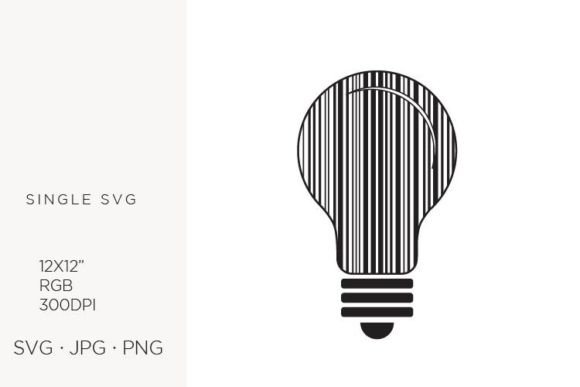
The visual concept itself—a light bulb integrated with barcode lines—serves as a metaphor for commercial ideas, inventory management, or the "bright idea" within a corporate context. This duality makes it distinct from generic light bulb icons, which often lack the data-driven aesthetic required for modern tech branding or retail-focused designs.
File Formats and Technical Specifications
When evaluating digital assets, the available file formats dictate how you can utilize them. The Barcode Light Bulb Vector package typically includes three primary formats: SVG, JPG, and PNG. Each serves a different purpose, and understanding their tradeoffs is vital for effective project planning.
- SVG (Scalable Vector Graphics): This is the native vector format. It retains all the editable paths created in Adobe Illustrator. If you need to resize the logo for a billboard or shrink it for a business card without losing clarity, SVG is the superior choice. It also allows for color changes and minor structural edits directly in web browsers or design software.
- PNG (Portable Network Graphics): This raster format supports transparency. It is ideal for overlaying the light bulb icon onto colored backgrounds for web design, invitations, or digital announcements. However, unlike SVG, it cannot be scaled up indefinitely without pixelation.
- JPG (Joint Photographic Experts Group): This format does not support transparency and uses lossy compression. It is best suited for email attachments, PDF documents, or contexts where file size matters more than background flexibility.
For professionals creating handmade craft items or printed stationery, the ability to switch between these formats ensures that the Barcode Light Bulb Vector remains versatile. While JPG and PNG are convenient for quick digital use, the SVG file preserves the integrity of the original 300 dpi design intent.
Comparing Vector Assets to Raster Alternatives
Before committing to a vector-based approach, it is helpful to compare it with other common design resources. Many creators initially consider raster images (such as high-resolution photos or .psd files) for their projects. While raster images excel at photorealism, they struggle with scalability. If you were to take a 12x12 inch raster image of a light bulb and enlarge it to fit a wall mural, the edges would become jagged and blurry.
In contrast, the Barcode Light Bulb Vector maintains crisp edges regardless of scale. This makes it particularly advantageous for large-format applications like wall art, party decor, or signage. Additionally, vector files created in Adobe Illustrator allow for granular control over individual elements. You can isolate the barcode portion, change its color to match a brand identity, or adjust the filament of the bulb to alter the mood of the design.
However, there are tradeoffs. Vector files require specific software to edit effectively. If your workflow relies solely on basic image editors or mobile apps, you may find the SVG format less accessible than a simple JPG. Furthermore, complex textures or gradients that mimic real-world lighting are sometimes easier to achieve in raster programs. For a clean, graphic look typical of modern branding, vectors are unmatched, but for hyper-realistic renderings, alternatives may be necessary.
Best-Fit Situations and Creative Applications
The versatility of the Barcode Light Bulb Vector extends across a wide range of industries and hobbies. Its neutral yet thematic nature makes it a strong candidate for several specific scenarios:
Logo Design and Brand Identity
Startups in the logistics, e-commerce, or technology sectors often seek logos that communicate efficiency and innovation. The combination of a barcode and a light bulb visually represents "smart inventory" or "illuminated commerce." Because the file is vector-based, it can be resized for favicons, app icons, or storefront signs without degradation.
Printed Paper Items and Stationery
For those producing handmade cards, invitations, or announcements, the 300 dpi resolution ensures sharp text and lines when printed on paper. The square 12x12 artboard size simplifies layout planning for square greeting cards or framed prints. Designers can easily crop or rearrange the elements to fit specific dimensions.
Crafting and Jewelry Making
Makers utilizing laser cutters or vinyl plotters benefit immensely from vector files. The precise paths of the Barcode Light Bulb Vector allow machines to cut intricate details into wood, acrylic, or metal. This opens possibilities for creating physical jewelry pieces, keychains, or decorative wall hangings that carry a modern, industrial aesthetic.
Web and Graphic Design
Web developers can integrate the SVG version directly into HTML code, reducing page load times compared to heavy image files. The transparent PNG option is equally useful for layering over website banners or product mockups.
Limitations and Decision Factors
While the Barcode Light Bulb Vector offers significant advantages, it is not a universal solution. There are situations where this specific asset may not be the right choice. If your project requires a realistic depiction of a glowing bulb with complex shadows and reflections, a vector illustration might appear too flat or stylized. In such cases, a high-resolution photograph or a 3D rendered image would be more appropriate.
Additionally, consider the color mode requirements of your final output. Although the source files are in RGB, professional offset printing often requires CMYK conversion. While most vector programs handle this transition well, subtle color shifts can occur. It is advisable to test print a small section before committing to a large run of printed paper items or party decor.
Another factor is the level of customization needed. If you require a completely unique design that differs significantly from the standard barcode-light bulb motif, starting with a pre-made vector might limit your creativity. In instances where total originality is paramount, commissioning a custom illustration or drawing from scratch in Adobe Illustrator could yield better results.
Evaluating Your Project Needs
To make an informed decision, assess your project against the following criteria:
- Scalability: Will the graphic need to be used at vastly different sizes? If yes, the vector format is non-negotiable.
- Editing Capability: Do you need to change colors, remove parts of the barcode, or alter the shape? Vector files allow this; raster files do not.
- Production Method: Are you printing on paper, cutting with a machine, or displaying on a screen? Vectors cover all three, whereas raster files are limited.
- Aesthetic Goal: Is the desired look clean and geometric, or photorealistic? The Barcode Light Bulb Vector excels in the former.
For adults navigating the complexities of DIY crafting, small business branding, or freelance design, having access to high-quality, multi-format vector files streamlines the workflow. The Barcode Light Bulb Vector serves as a robust foundation for projects ranging from simple stationery to complex marketing campaigns.
Conclusion on Resource Selection
Selecting the right digital asset is a balance between technical capability and creative vision. The Barcode Light Bulb Vector, with its 12x12 inch artboard, 300 dpi resolution, and availability in SVG, JPG, and PNG formats, represents a highly functional tool for modern creators. It bridges the gap between digital precision and physical application, offering a reliable option for logo design, wall art, and handmade goods.
By understanding the strengths of vector graphics and recognizing where they may fall short compared to raster alternatives, you can confidently choose resources that align with your specific goals. Whether you are designing a new brand identity or crafting a unique piece of decor, the flexibility provided by Adobe Illustrator-generated vectors ensures that your final product meets professional standards.