City Skyline and Geometrical Pattern: A Practical Guide for Design Workflows
In the realm of digital asset management and creative production, the City Skyline combined with a Geometrical Pattern represents more than just an aesthetic choice. It is a functional tool designed to streamline the visual communication process for professionals and hobbyists alike. Whether you are managing a small business brand, planning a personal event, or executing a large-scale marketing campaign, integrating high-quality vector graphics into your workflow can significantly reduce production time while elevating the final output. This guide explores how these specific digital elements fit into real-world processes, from initial concept to final delivery.
Understanding the Asset Structure and Technical Specifications
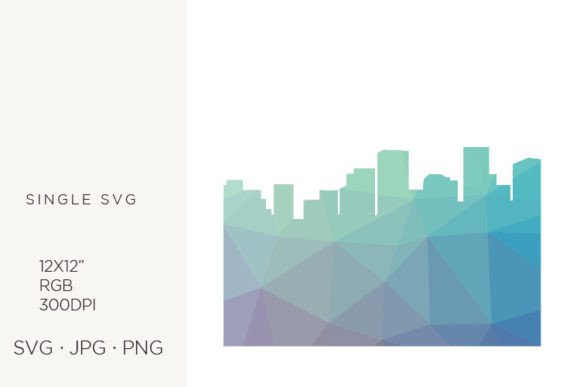
Before integrating any graphic element into a project, it is essential to understand its technical foundation. The City Skyline and Geometrical Pattern artwork discussed here is built on a standard 12x12 inch artboard, a dimension widely recognized in the crafting and printing industries for its versatility. Created within Adobe Illustrator, these files exist as vectors, meaning they are mathematically defined shapes rather than fixed pixels. This distinction is critical for scalability. Unlike raster images that degrade when enlarged, vector graphics maintain crisp edges at any size, making them ideal for everything from a tiny favicon on a website to a massive wall mural.
The delivery package typically includes three distinct file formats, each serving a specific stage of the production pipeline:
- SVG File: The Scalable Vector Graphics format is the core asset. It retains all editable paths and layers, allowing designers to modify colors, remove elements, or resize components without quality loss. This is the primary file for professional editing.
- JPG File (300 DPI): A high-resolution raster version suitable for quick previews, email attachments, or print workflows where vector editing is not required. The 300 dots per inch resolution ensures sharpness for standard print sizes.
- PNG File (300 DPI, Transparent Background): This format is indispensable for web design and compositing. The transparent background allows the skyline and pattern to be overlaid onto photos, colored backgrounds, or other design elements without a white box obscuring the context.
Working with an RGB color palette means these assets are optimized for digital screens first. However, with proper conversion settings in your design software, they can be successfully adapted for CMYK print environments. Understanding these file types prevents common workflow bottlenecks, such as trying to edit a flattened JPG or scaling a low-resolution PNG.
Strategic Integration into Creative Workflows
The value of a City Skyline and Geometrical Pattern lies in its adaptability across different phases of a project. For entrepreneurs and marketers, this asset can serve as a foundational branding element. During the planning phase, the geometric nature of the pattern provides a structured backdrop that conveys stability and modernity, while the skyline adds a sense of place and ambition. When designing a logo, the SVG file allows for precise manipulation of lines and angles to create a unique mark that aligns with brand guidelines.
In the execution phase, particularly for small business owners producing stationery or invitations, the pre-made nature of these graphics accelerates the timeline. Instead of drawing a cityscape from scratch, which can take hours, a designer can import the SVG, adjust the color scheme to match the client's brand identity, and finalize the layout in minutes. This efficiency is crucial when managing multiple clients or tight deadlines. The 12x12 inch canvas acts as a standardized workspace, ensuring that designs created for one medium, such as a greeting card, can be easily resized for another, like a social media banner, without losing alignment or proportion.
For educators and bloggers, these assets function as visual anchors for content. A geometrical pattern can be used as a subtle texture behind text-heavy slides or blog headers to increase readability and visual interest without causing distraction. The skyline element can symbolize urban topics, growth, or development in presentations, providing immediate context to the audience. By having these files ready in a digital library, creators can maintain consistency across their various platforms, reinforcing their professional image.
Practical Applications Across Industries
The utility of these digital graphics extends far beyond simple decoration. They are integral components in diverse production environments:
Printed Paper Items and Stationery
For those involved in the handmade craft industry, the 300 DPI JPG and PNG files are ready for direct use in sublimation, inkjet, or laser printing. These resolutions ensure that printed paper items, such as announcements, party decor, and custom notebooks, appear sharp and professional. The transparency of the PNG file is particularly useful when printing on colored cardstock, as it eliminates the need for manual background removal in post-processing software.
Web and Graphic Design
Freelancers and web developers utilize the SVG file for responsive web design. Because SVGs are code-based, they load quickly and scale perfectly on mobile devices, tablets, and desktops. The geometrical pattern can serve as a dynamic background for landing pages, while the skyline can be animated using CSS or JavaScript to add interactivity to a portfolio site. This integration enhances user experience by providing high-quality visuals that do not compromise site performance.
Wall Art and Home Decor
Interior designers and DIY enthusiasts often turn to these assets for creating custom wall art. The vector format allows for printing on large canvases or vinyl decals without pixelation. The combination of a city skyline and geometry offers a contemporary look that fits well in modern offices and homes. Users can experiment with metallic inks or textured papers, knowing the underlying design will support high-fidelity reproduction.
Optimizing Quality Control and Consistency
Maintaining quality control is a vital aspect of any professional workflow. When using downloaded assets like the City Skyline and Geometrical Pattern, it is important to verify compatibility with your existing tools. Since the files are made in Adobe Illustrator, users of other vector programs like CorelDRAW or Inkscape may need to perform a conversion step. Opening the SVG in these alternative programs usually preserves the structure, but checking for font replacements or linked image issues is a necessary precaution before sending files to print.
Organization plays a significant role in long-term usability. Storing the ZIP file containing the SVG, JPG, and PNG versions in a dedicated folder within your asset management system ensures that you always have access to the correct version for the task at hand. Labeling files clearly—for example, "Skyline_Pattern_Logo_Source.svg" versus "Skyline_Pattern_Print_Ready.jpg"—prevents errors during the rush of a deadline. Furthermore, keeping a master copy of the original ZIP file protects against accidental overwrites or corruption of working files.
Consistency in color usage is another factor to consider. While the files come in an RGB palette, if your project requires strict brand adherence, you should calibrate the colors in your design software to match your specific Pantone or CMYK standards. The vector nature of the SVG makes this adjustment straightforward; you can select all objects and apply a global color change instantly, ensuring that every instance of the skyline or pattern looks identical across all deliverables.
Efficiency in Decision Making and Project Planning
Incorporating pre-designed assets into your planning process influences decision-making positively. When a creator knows they have access to high-quality, versatile graphics, they can focus more energy on strategy and messaging rather than getting bogged down in technical execution. This shift allows for faster prototyping. You can test different layouts, color combinations, and applications quickly because the base elements are already refined.
For small business owners, this efficiency translates directly to cost savings. Reducing the time spent on graphic creation lowers labor costs and allows for quicker turnaround times for clients. It also reduces the risk of errors associated with complex, custom-drawn elements. The reliability of a tested, high-resolution asset means fewer reprints due to blurriness or misalignment, contributing to a smoother overall operation.
Ultimately, the City Skyline and Geometrical Pattern serves as a bridge between creative vision and practical implementation. By understanding the technical specifications, leveraging the appropriate file formats for each stage of production, and maintaining organized workflows, professionals can maximize the potential of these digital tools. Whether for a single handmade card or a comprehensive corporate rebrand, these assets provide the structural integrity and visual appeal needed to succeed in a competitive market.