Evaluating the Spring Season Cartoon 3D Text Effect for Design Projects
In the landscape of digital and print design, seasonal themes play a crucial role in capturing audience attention. As the calendar shifts toward warmer months, designers often seek visual assets that convey renewal, vibrancy, and energy. The Spring Season Cartoon 3D Text Effect is one such resource designed to meet this specific aesthetic demand. This asset is an editable template created for Adobe Illustrator, intended to streamline the process of generating stylized typography for various media channels. For professionals and enthusiasts alike, understanding the capabilities, limitations, and appropriate use cases of this tool is essential before integrating it into a workflow.
Understanding the Asset Structure and Functionality
The core of this design resource is its compatibility with vector-based software. Specifically, it is built as an editable file for Adobe Illustrator, which distinguishes it from static image files like standard JPEGs or PNGs. The template utilizes the RGB color mode, making it inherently optimized for screen-based applications where light emission defines color perception. This technical specification is vital for web designers and social media managers who require high-fidelity colors on digital displays.
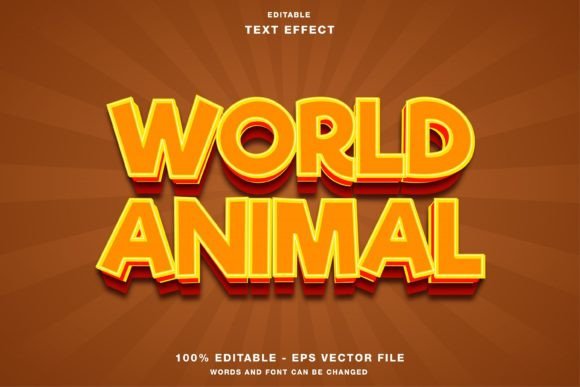
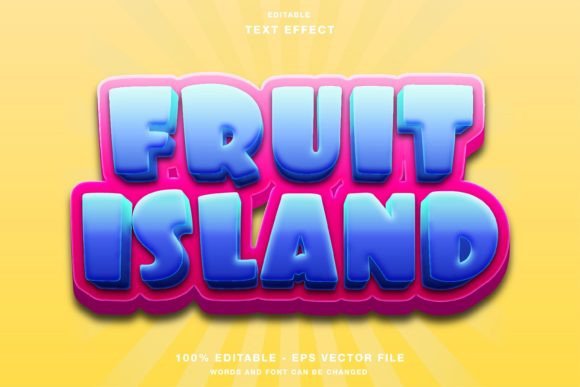
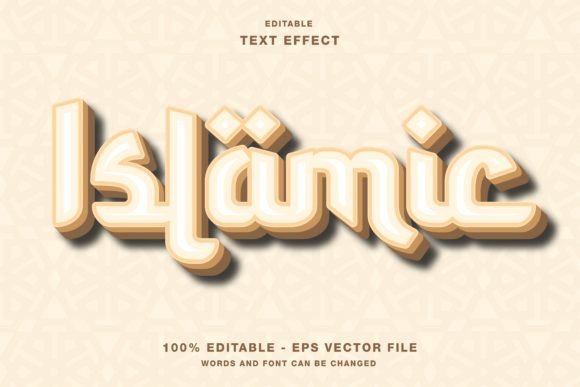
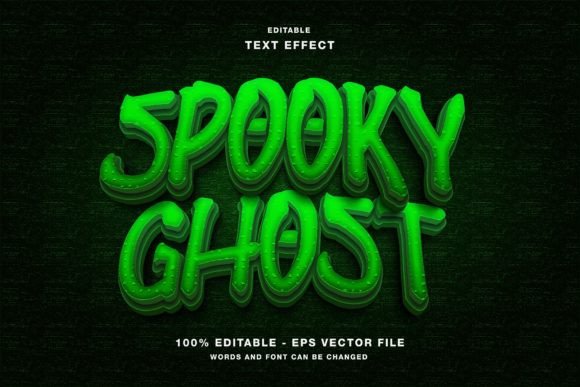
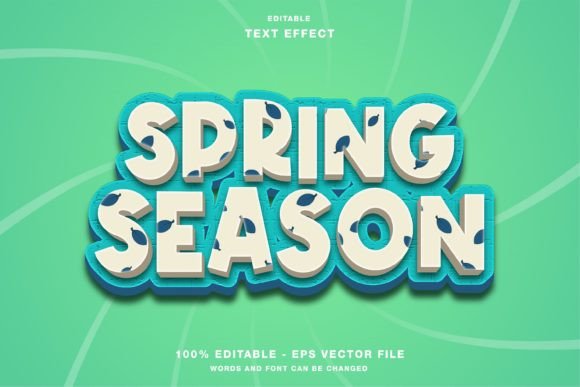
The "cartoon" aspect refers to the stylistic approach of the text effect, characterized by bold outlines, vibrant gradients, and playful three-dimensional depth. Unlike photorealistic textures, this style leans into a whimsical, illustrative look that resonates well with springtime motifs. The inclusion of both EPS (Encapsulated PostScript) and JPG files in the main folder offers flexibility; the EPS file allows for full editing within Illustrator, while the JPG serves as a quick preview or a fallback for non-vector workflows.
A key feature is the editability of all elements. Users are not limited to a single preset phrase. The structure allows for the modification of text content, enabling the customization of headlines, slogans, or promotional copy without losing the integrity of the 3D effect. This modularity is designed to save time, removing the need to manually construct complex layer effects, drop shadows, and extrusions from scratch.
Reasons for Interest: Efficiency and Aesthetic Consistency
Designers may find value in this template primarily due to efficiency constraints. Creating a high-quality 3D text effect from the ground up requires advanced knowledge of vector manipulation, blending modes, and lighting simulation. For those working under tight deadlines, utilizing a pre-constructed template significantly reduces production time. It allows the designer to focus on layout composition and message delivery rather than the mechanics of typographic rendering.
Furthermore, there is a desire for aesthetic consistency across different platforms. A brand promoting a spring event needs a unified look across Instagram posts, Facebook banners, Twitter headers, and printed flyers. Using a single source file ensures that the color palette and stylistic details remain identical whether the output is viewed on a smartphone screen or printed on glossy paper. The Spring Season Cartoon 3D Text Effect provides a cohesive visual anchor that can be adapted for these diverse contexts.
Benefits and Practical Applications
The primary benefit of this template lies in its versatility regarding application types. Because the text is fully editable, it fits seamlessly into several categories of promotion:
- Social Media Promotions: The vibrant nature of the cartoon style performs exceptionally well on platforms like Instagram and Facebook, where colorful imagery tends to stop the scroll. The RGB color mode ensures that the hues appear vivid on mobile devices.
- Web Design Headlines: For websites launching spring sales or seasonal collections, this effect can serve as a dynamic hero section headline or a call-to-action button graphic.
- Print Publications: While the default mode is RGB, the vector nature of the EPS file allows for conversion to CMYK if necessary for print materials like magazines, event papers, and posters. The clean lines of the cartoon style generally translate well to print, provided the color space is adjusted correctly.
- Flyers and Event Materials: The playful tone is ideal for community events, school fundraisers, or family-oriented gatherings where a serious corporate aesthetic might feel out of place.
Additionally, the ability to change the text easily means the template has a longer shelf life. A designer can create a "Spring Sale" banner today and reuse the same structural file for a "Summer Kickoff" later by simply adjusting the color scheme and font content, maximizing the return on investment for the asset.
Tradeoffs and Considerations
Despite its utility, there are tradeoffs to consider when relying on pre-made templates. The most significant limitation is the potential lack of uniqueness. Since templates are often used by multiple designers, there is a risk that the final output may resemble other designs found online. If a brand's strategy relies heavily on distinctiveness and avoiding generic visuals, a custom-designed solution might be more appropriate.
Another consideration is the color mode. The template is natively set to RGB. While this is perfect for digital use, using it for professional printing requires careful management. Converting from RGB to CMYK can sometimes result in duller colors, particularly with the bright greens and pinks typical of spring themes. Designers must anticipate this shift and potentially adjust the saturation levels after converting the file to ensure the print quality meets expectations.
Furthermore, the "cartoon" style is not universally applicable. It carries a specific tonal weight—playful, informal, and energetic. Using this effect for a luxury product launch, a formal financial report, or a somber announcement would likely create a dissonance between the visual and the message. The style dictates the context, and it is not suitable for every type of communication.
When to Choose Alternatives
There are scenarios where seeking alternatives to the Spring Season Cartoon 3D Text Effect is the prudent choice. If the project requires a photorealistic texture, such as metallic gold leaf or water-damaged paper, a cartoon-style vector template will not suffice. In such cases, photo-manipulation techniques or 3D rendering software like Cinema 4D or Blender would yield superior results.
Similarly, if the design brief demands extreme scalability beyond what vector files can comfortably manage without performance issues, or if the client requires a proprietary, trademarkable font style, a custom illustration is necessary. Additionally, if the target audience is strictly B2B (Business to Business) in a conservative industry, the whimsical nature of a cartoon effect may undermine credibility. In these instances, a cleaner, minimalist, or serif-based typographic treatment would align better with professional expectations.
Decision-Making Insights
To determine if this template aligns with your goals, evaluate the project against three criteria: speed, style, and medium. If you need a fast turnaround for a digital-first campaign targeting a broad, casual audience, this asset is a strong fit. Its editability allows for rapid iteration, and the RGB optimization ensures immediate readiness for social media deployment.
However, if the project involves high-end print runs where color accuracy is paramount, or if the brand identity is strictly formal, the tradeoffs in color conversion and stylistic tone may outweigh the benefits of speed. In those cases, investing time in a custom design or selecting a more neutral template is advisable.
Ultimately, the Spring Season Cartoon 3D Text Effect serves as a practical tool for enhancing seasonal communications. By understanding its technical specifications and stylistic boundaries, designers can leverage it effectively to produce engaging content for web, social, and print environments without compromising their creative standards.