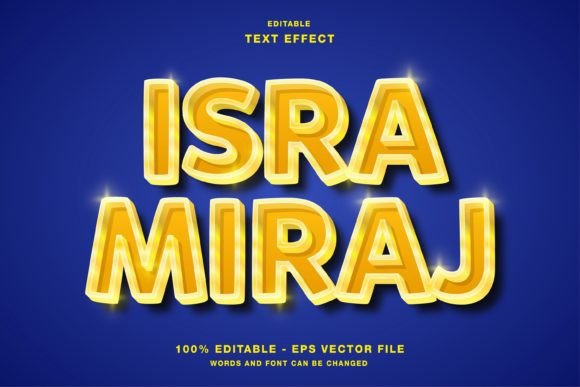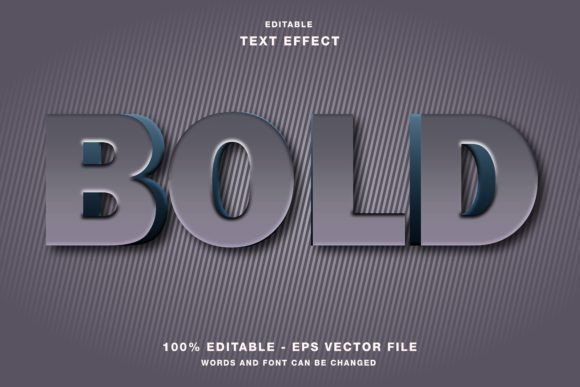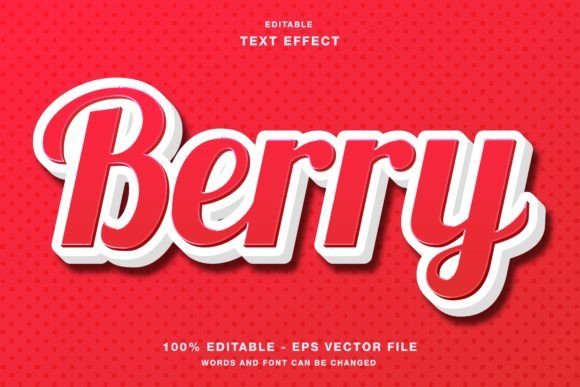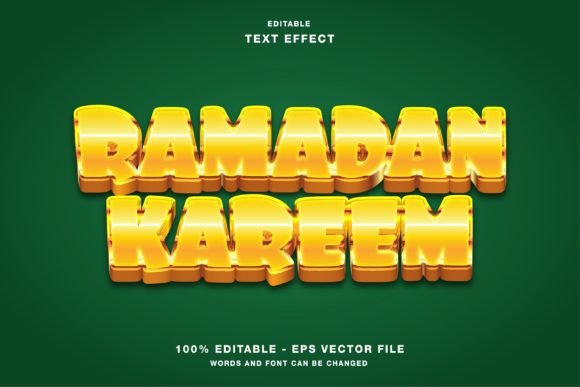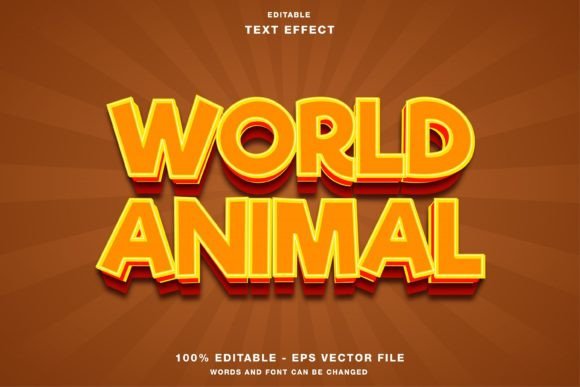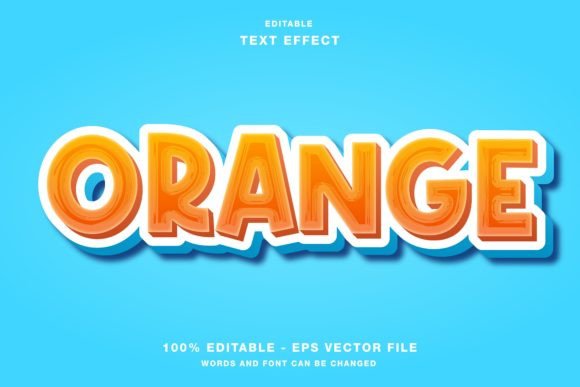
Orange Blues 3D Text Effect: A Practical Guide for Designers and Marketers
In the fast-paced world of visual communication, the ability to produce high-impact typography quickly is a critical skill. The Orange Blues 3D Text Effect serves as a powerful asset within this landscape, offering a pre-designed solution that balances aesthetic appeal with functional flexibility. This template is not merely a static image; it is an editable resource built specifically for Adobe Illustrator, designed to streamline the creation of compelling text effects for a wide array of digital and print applications. Whether you are crafting a headline for social media or designing a promotional flyer, understanding how to integrate this effect into your workflow can significantly reduce production time while maintaining professional quality.
Understanding the Asset and Its Core Functionality
The Orange Blues 3D Text Effect is constructed using vector graphics principles, ensuring that the output remains crisp and scalable regardless of the final display size. Unlike raster-based images that degrade when enlarged, this Illustrator-compatible template allows for infinite scaling without loss of resolution. The color mode is set to RGB, making it inherently optimized for digital screens, including websites, mobile applications, and social media platforms like Instagram, Twitter, and Facebook. However, its versatility extends beyond the screen. With proper conversion settings, the underlying structure supports high-quality print outputs for magazines, posters, event papers, and flyers.
What distinguishes this tool from generic stock photos is its editability. Every element within the file is customizable. Users are not locked into the default "Orange Blues" palette or the specific font used in the preview. Instead, the template acts as a robust framework where you can inject your own messaging, adjust color schemes to match brand guidelines, and modify the three-dimensional depth to suit the tone of your project. This level of control transforms a simple template into a dynamic component of your design process.
Integrating the Effect into Your Design Workflow
Effective use of the Orange Blues 3D Text Effect requires strategic placement within your broader creative process. It is most effective when utilized during the execution phase of a project, after the core concept and layout have been established but before final rendering. By introducing this effect at this stage, you can focus on refining the visual hierarchy rather than building complex 3D structures from scratch.
For digital marketers managing multiple campaigns, this asset fits seamlessly into a batch production workflow. You might prepare a series of social media posts for a week-long promotion. Instead of spending hours modeling 3D text for each post, you can open the Orange Blues 3D Text Effect file, duplicate the artboard, and swap out the text content for different headlines. The consistent visual style ensures brand recognition across all channels, while the speed of editing allows you to maintain a high volume of output without sacrificing quality.
In a print design context, such as creating a magazine spread or an event poster, the workflow shifts slightly. Here, preparation involves checking the color profiles. While the file is natively RGB, print designers must be prepared to convert the colors to CMYK if the final output is for physical publication. The editable nature of the Illustrator file makes this transition straightforward. You can adjust the orange and blue hues to ensure they translate well to ink, avoiding muddy colors that often plague poorly converted digital assets. This adaptability ensures that the same creative vision can be executed across both digital and physical mediums with minimal friction.
Optimizing Compatibility and File Management
To maximize efficiency, it is essential to understand the file structure provided with the Orange Blues 3D Text Effect. The package typically includes both EPS (Encapsulated PostScript) and JPG files. The EPS file is the primary working document for Adobe Illustrator, containing all the layers, paths, and editable text objects. The JPG files serve as quick previews or placeholders for presentations and mood boards where full vector editing is unnecessary.
When organizing your project folders, treat the EPS file as a master asset. Do not save over the original file immediately upon opening. Instead, use the "Save As" function to create a new version named according to your specific project, such as "Summer_Sale_Flyer_v1.ai". This practice preserves the integrity of the original template for future use and prevents accidental data loss. Furthermore, keeping the JPG versions in a separate "Previews" subfolder helps keep your workspace clean and ensures that you always access the correct file type for the task at hand.
Compatibility is another key factor. Since the template is built for Illustrator, users working in other software environments may need to take extra steps. If you are using InDesign for layout, you can place the EPS file directly into your document, allowing you to link the asset and update it if changes are made to the source file. For Photoshop users, importing the EPS file will allow you to work with smart objects, preserving some level of editability. Understanding these interoperability features ensures that the Orange Blues 3D Text Effect can fit into diverse software stacks without becoming a bottleneck.
Practical Implementation Strategies for Various Platforms
The true value of this text effect lies in its application across different platforms. Each medium has unique requirements regarding readability, color vibrancy, and engagement. Here is how to tailor the implementation for specific use cases:
- Social Media Headlines: On platforms like Instagram and Twitter, attention spans are short. Use the bold contrast of the orange and blue to make headlines pop against busy backgrounds. Because the file is RGB, the colors will appear vibrant on mobile screens. Ensure the text remains legible by adjusting the stroke weight or drop shadow if the background image is too complex.
- Web Design Banners: For website headers or promotional banners, the vector nature of the file ensures fast loading times compared to heavy raster images. You can optimize the SVG export settings to further reduce file size while maintaining sharp edges, contributing to better site performance scores.
- Print Publications: When adapting the effect for magazines or flyers, pay close attention to the color gamut. Orange and blue are complementary colors that create strong visual tension. In print, verify that the orange does not shift towards red or brown due to ink limitations. Using the editable layers, you can fine-tune the saturation levels to achieve the desired impact on paper.
- Event Materials: For event posters and tickets, consistency is key. Use the template to create a cohesive look for all event collateral. The ability to quickly change the text means you can generate variations for different speakers, dates, or ticket tiers without redesigning the entire graphic.
Ensuring Quality Control and Long-Term Usability
Maintaining high standards is crucial when using templates in professional work. Before finalizing any design created with the Orange Blues 3D Text Effect, perform a thorough quality check. Inspect the kerning and leading of your custom text to ensure it aligns perfectly with the 3D geometry. Sometimes, changing the font or text length can disrupt the balance of the 3D extrusion, requiring minor adjustments to the anchor points or blending modes.
Additionally, consider the longevity of the asset. As design trends evolve, the specific shade of orange or blue might need updating to stay current. Because the template is fully editable, you are not forced to discard the entire file when a trend shifts. You can simply update the color swatches to reflect modern palettes, extending the useful life of the asset. This approach promotes sustainability in your design library, reducing the need to constantly search for new resources.
Finally, document your modifications. If you create a customized version of the effect that works particularly well for your brand, save it as a distinct preset or library item. Over time, this builds a personalized toolkit that reflects your unique style and accelerates future projects. By treating the Orange Blues 3D Text Effect not just as a one-off download but as a foundational element of your design system, you transform a simple template into a long-term productivity asset.
Conclusion: Streamlining Creativity with Precision
The Orange Blues 3D Text Effect represents a practical intersection of creativity and efficiency. It empowers professionals, freelancers, and business owners to produce high-quality visual content without getting bogged down in technical complexities. By leveraging its editable nature, RGB optimization, and compatibility with industry-standard tools, you can integrate this effect smoothly into your existing workflows. Whether you are launching a social media campaign, designing a print advertisement, or creating web assets, this template provides the structural foundation needed to execute your vision with speed and precision. Ultimately, the goal is to spend less time on mechanical tasks and more time on strategic decision-making, ensuring that every piece of content you produce resonates effectively with your audience.